Different Types of Service Dogs:
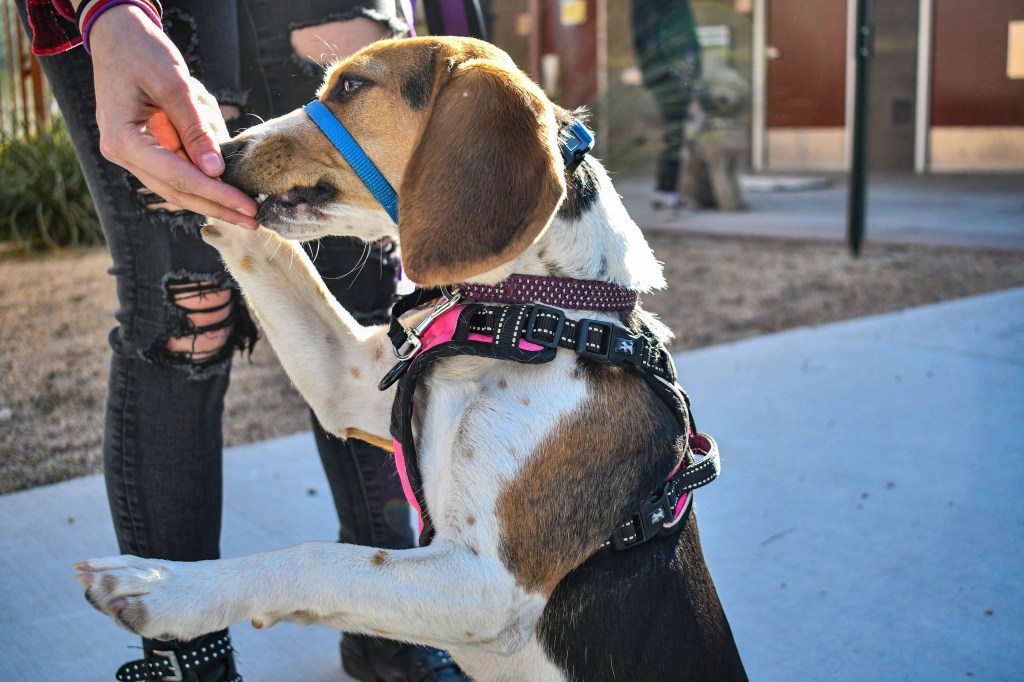
- Medical alert dog
- Diabetic alert
- Alerts their human when their blood sugar is below 70 or above 180 (or outside normal range for that person)
- Seizure alert
- We don’t know what they alert on
- Can’t really be trained, usually pick it up after being trained for seizure response
- Fainting alert
- Diabetic alert
- Mobility Assistance
- Counterbalance
- The dog will pull when they feel their owner losing balance. Helping them stay upright.
- Guide dogs
- Able to be the eyes of their human handler
- Counterbalance
- Autism Assistance
- These dogs are trained to make daily life more safe and less stressful for those who might find it hard to function in daily life otherwise
- Hearing Dog
- Trained to alert their owners to specific sounds. Some examples of sounds that can be alerted on
- Owner’s name
- Fire alarm
- Doorbell
- Child crying
- Trained to alert their owners to specific sounds. Some examples of sounds that can be alerted on
A Service Dog is a dog trained to preform a certain task or tasks to assist their handler. Their training is what sets them apart from pets and grants them public access. These are only a small number of the different types of service dog there are.
- Medical Response dogs
- Seizure response
- They are often trained to make the environment safer for the person having a seizure. Including but not limited to
- Alerting a caregiver when a seizure occurs
- Keeping the area around the handler safe during the seizure
- They are often trained to make the environment safer for the person having a seizure. Including but not limited to
- Psychiatric response
- Can be trained to help with a myriad of different mental health conditions, depending on a handlers needs
- Anxiety
- Depression
- Bipolar disorders
- Other mental health conditions
- Not to be confused with emotional support animal
- Can be trained to help with a myriad of different mental health conditions, depending on a handlers needs
- Seizure response
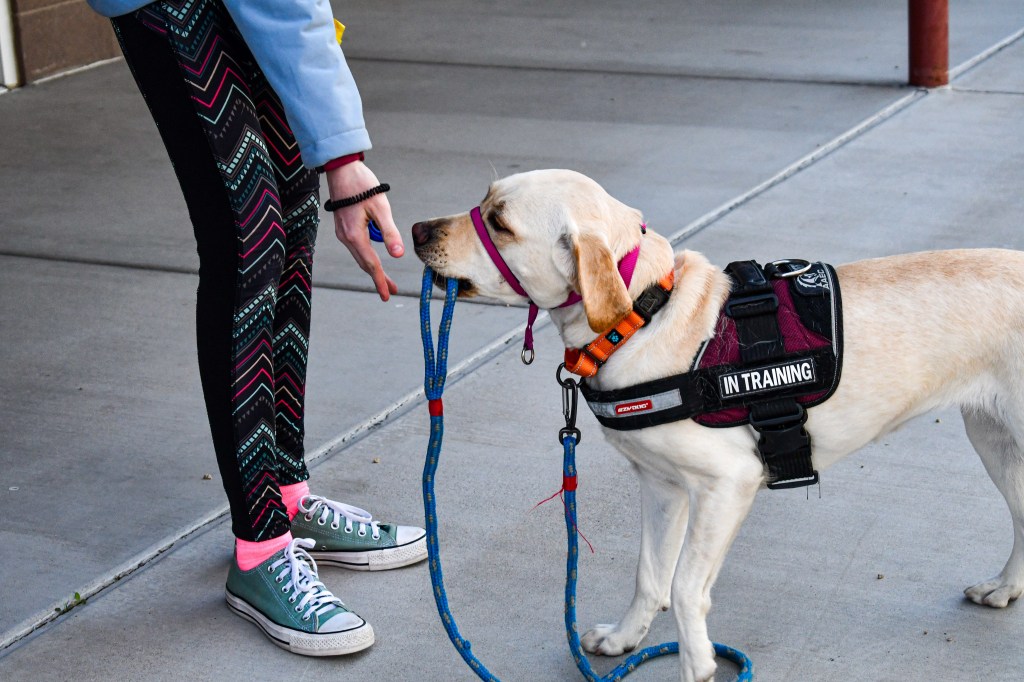
- Emotional Support Animal (ESA)
- Not considered a Service Dog so they don’t have the same public access rights
- The animal’s presence is the comfort
- Not specifically trained for a task to help
- Doesn’t have to be a dog
 Service Dog Etiquette